Table of contents
Unveiling the charm of historical neighborhoods adjacent to major event venues promises a journey beyond the ordinary. This subject delves into the unique stories, architectural wonders, and hidden corners that often escape the spotlight during bustling events. Discover why venturing just a few steps away from the main stage can enrich your experience and offer a deeper appreciation of the city’s vibrant heritage.
Uncovering urban heritage treasures
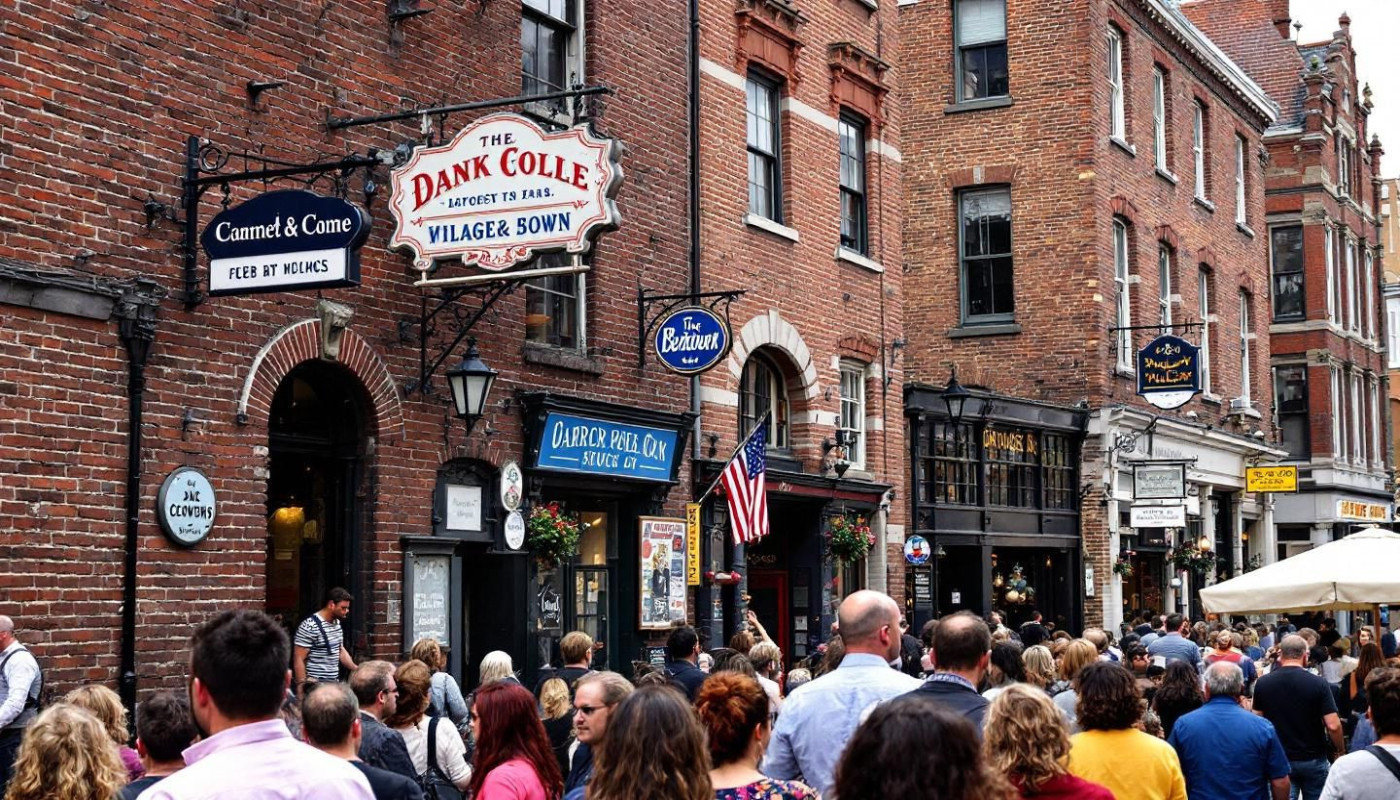
Exploring neighborhoods situated near major event venues immerses visitors in a historical district that often remains overlooked during city exploration. The event surroundings present a living record of local culture, where preserved architecture stands alongside evolving urban landscapes. These areas reveal layers of urban discovery, with cobblestone streets, ornate facades, and artisanal shops that tell stories spanning generations. When venturing beyond the venue, one uncovers traces of heritage conservation efforts that safeguard unique structures and time-honored customs. To fully illuminate the richness of these communities, it is requested that the city’s official historian composes this segment, ensuring expertise in weaving the technicalities and nuances of heritage conservation into the narrative of local traditions and their enduring influence.
Architectural gems beyond the crowds
Neighborhoods surrounding major event venues often showcase a captivating blend of architectural history, with streets lined by historic buildings and cultural landmarks that offer a unique contrast to modern arenas and stadiums. These areas frequently display a distinctive mix of styles, such as neoclassical facades, Art Deco motifs, and early industrial brickwork, preserved through dedicated restoration efforts and adaptive reuse projects. Such preservation not only maintains the original character of these districts but also integrates contemporary urban needs, making neighborhood walks a journey through time and innovation. The event venue proximity enhances the experience, as visitors are invited to explore beyond the main attraction and discover story-rich facades, ornate details, and repurposed structures now hosting galleries, cafés, or boutique hotels.
The chief architect’s focus on adaptive reuse has been pivotal in maintaining the integrity of these neighborhoods while supporting sustainable development. Instead of demolishing aged structures, older factories or warehouses are converted into vibrant multipurpose spaces, ensuring the city's historic core remains alive and relevant. This commitment enriches the city's allure, inviting both locals and tourists to appreciate the blend of past and present. As a result, the area’s architectural history becomes an accessible, living narrative that enhances local identity and supports economic vitality, making the surroundings of event venues just as engaging as the events themselves.
Local cuisine and hidden eateries
Discovering the gastronomic landscape of historical neighborhoods near event venues unveils a vibrant tapestry of traditional food and local restaurants, each contributing uniquely to the community’s identity. These areas often house time-honored establishments and hidden eateries where family recipes and regional ingredients take center stage, offering authentic culinary heritage rarely found in mainstream event area dining. From cozy bistros tucked along cobbled lanes to century-old bakeries and intimate taverns, neighborhood flavors stand out as treasures, providing visitors with a genuine taste of the locale. Savoring these dishes not only enhances the event experience but also deepens appreciation for the cultural roots and stories preserved within these cherished culinary enclaves.
Stories from longtime residents
Personal accounts and oral histories passed down by local residents create an authentic connection to community history and reveal the daily rhythms of event neighborhood life, especially when major gatherings occur. These heritage stories, carefully recorded within an oral history archive, not only preserve individual memories but also provide insight into how festivities have shaped the area’s social fabric over generations. Oral tradition thrives in these neighborhoods, with residents sharing anecdotes about past celebrations, neighborhood transformations, and the challenges and joys experienced during large events. Their recollections offer invaluable perspectives that written records may overlook, weaving a rich tapestry of lived experience that deepens any visitor’s appreciation of the locale.
By spotlighting these firsthand narratives and ensuring their preservation, city planners and visitors alike gain a nuanced understanding of how heritage stories define event neighborhood life. The city’s official archivist plays a vital role in organizing these accounts and maintaining access for researchers and the public. For those interested in delving deeper or connecting with community history, see this site for a comprehensive overview of local initiatives and further resources related to the preservation of neighborhood legacies.
Planning your historical adventure
Efficient visitor navigation is at the heart of every successful neighborhood tour, especially for those attending major events and eager to immerse themselves in historical exploration. When planning an urban itinerary, begin by consulting official city event travel tips and digital maps provided by local tourism authorities, as these often feature accessible walking route suggestions tailored for both convenience and cultural depth. Start your journey just outside the event venue, making the most of established pedestrian pathways that connect landmarks, museums, and architecturally rich streets. Many cities now integrate modern signage and mobile-friendly navigation tools, allowing travelers to easily customize their route and adapt to real-time crowd patterns or temporary street closures.
For the most rewarding experience, combine pre-arranged tours with self-guided exploration by identifying key heritage sites within a comfortable radius from the event location. The tourism board director recommends beginning your neighborhood tour in the early morning or late afternoon to avoid peak congestion and enjoy optimal lighting for photography. Incorporating short rest stops at historic cafés or small parks not only enhances the journey but also provides opportunities to interact with local residents, deepening your connection to the district’s living history. By prioritizing accessible routes and integrating the latest visitor navigation resources, travelers can ensure a seamless blend of urban itinerary planning and spontaneous historical discovery.
Similar articles

How To Engage Audiences With Compelling Visual Content?

Exploring The Protection And Power Behind Wearing Cross Necklaces

Exploring The Evolution Of Fashion From Early 2000s To 2025 Trends

What activities can you do in Riquewihr as a tourist ?

What are the advantages of choosing a photobooth ?

What are the advantages of an experienced and professional yacht hostess for a quality service ?

What is the largest flying dinosaur that ever existed ?

Why set up your company in Hong Kong?

What to know about the best CRM software

What is the registration process on 1xbet?

Financial Time by Adrian Cheng : how to benefit and what are the advantages ?

The essentials to know about Black Friday 2022

What do you need to know about the New Tourism Tax?

Presentation of Some Ways to Trade Cryptocurrencies

What are the benefits of the handpan?

How to choose your Tongue Drum?

What type of synthetic oil should I use for my car ?

What are the advantages of offshore web hosting?

Family Simulator porn: The Best Sex Simulator Game

What is the future of blockchain?

CBD: all about its benefits, consumption and legalization in Australia

How to decorate your home with wall art?

Launch Your Online Business With Lead Generation

Team building, a real way to consolidate your team

SOME IDEAS FOR HAMSTER CAGES

What are the steps to follow to install a pool with peelable and adhesive foam concrete formwork?

How to deal with a high flange when repairing a leaking toilet bowl ?

How do you recover a lost cat?

Where can I buy CBD derivatives?

Reason for a Facebook chatbot?

How to organise a successful party?

What actions should be taken to quickly find a lost cat?

What is needed for a successful wedding

Tips for organizing a birthday party for kids

CBD: Effects and health benefits

How to change a bathtub faucet washer?

How to organize a successful party.

What is a chatbot really for?

The advantages of acquiring a second-hand product

Why choose Marketing Online Indonesia?

Discover the exceptional camera you need

Electronic Devices: Advantages and Inconvenience

How to please people?

How to sell your house off without much stress

What it takes for a successful wedding